Arms and Influence in the Gulf
Riyadh and Abu Dhabi Get to Work
By Bilal Y. Saab MAY 5, 2014
Saudi tanks take part in a military drill near the border with Kuwait, April 2014. (Faisal Nasser / Courtesy Reuters)
Since the formation of the modern Arab state system in the mid-twentieth century, no Arab country has succeeded in building and sustaining an indigenous national defense industry. Egypt tried hard, but ultimately failed because it lacked the requisite financial and human capital. Under Saddam Hussein, Iraq came closest, thanks to its skilled population and oil wealth, but it was stymied by corruption, mismanagement, and war. The Gulf countries, meanwhile, have spent lavish sums on the most modern U.S. and European arms, which they often lack expertise in handling and servicing. “Arabs don’t do maintenance,” the adage went.
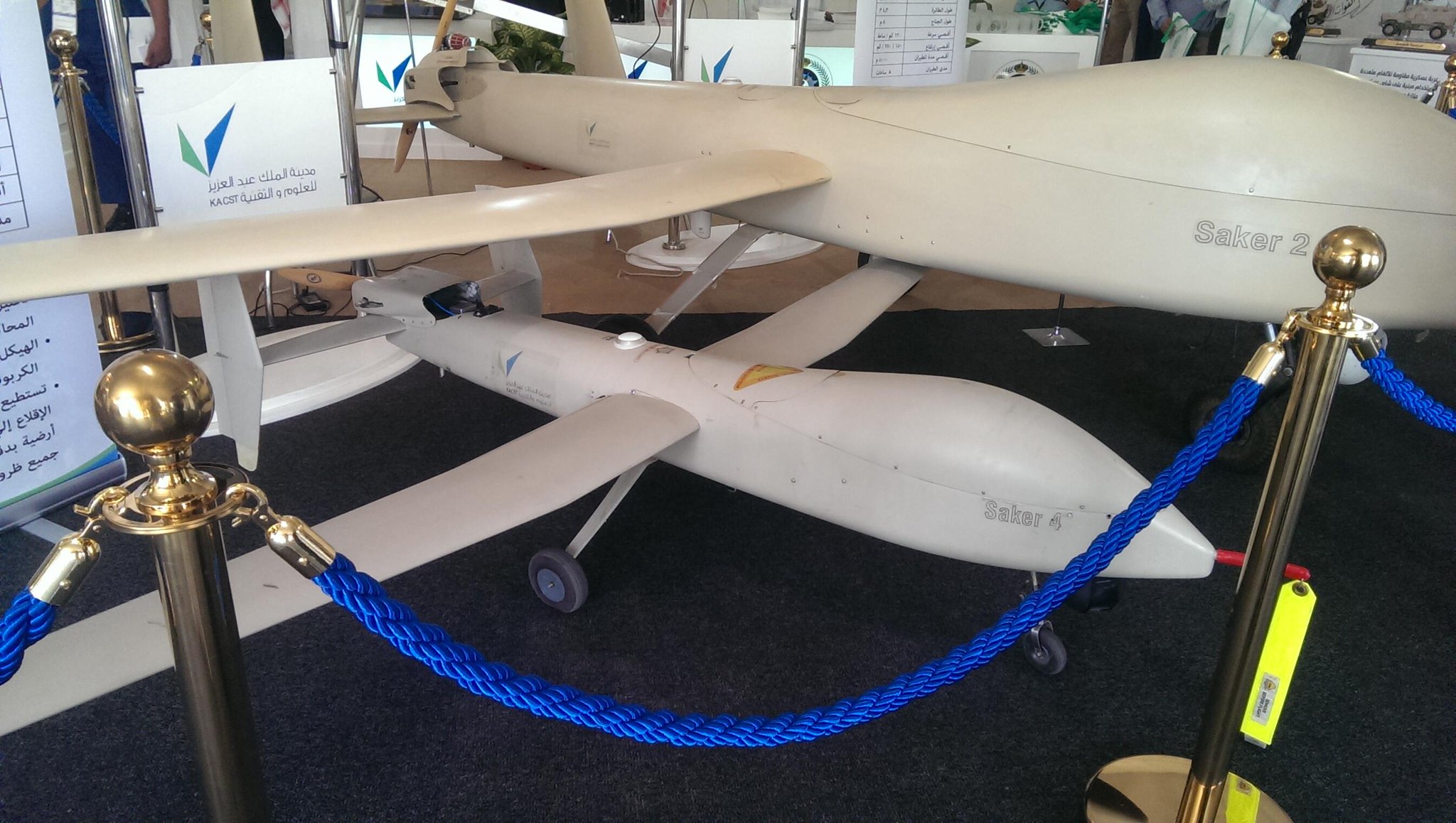
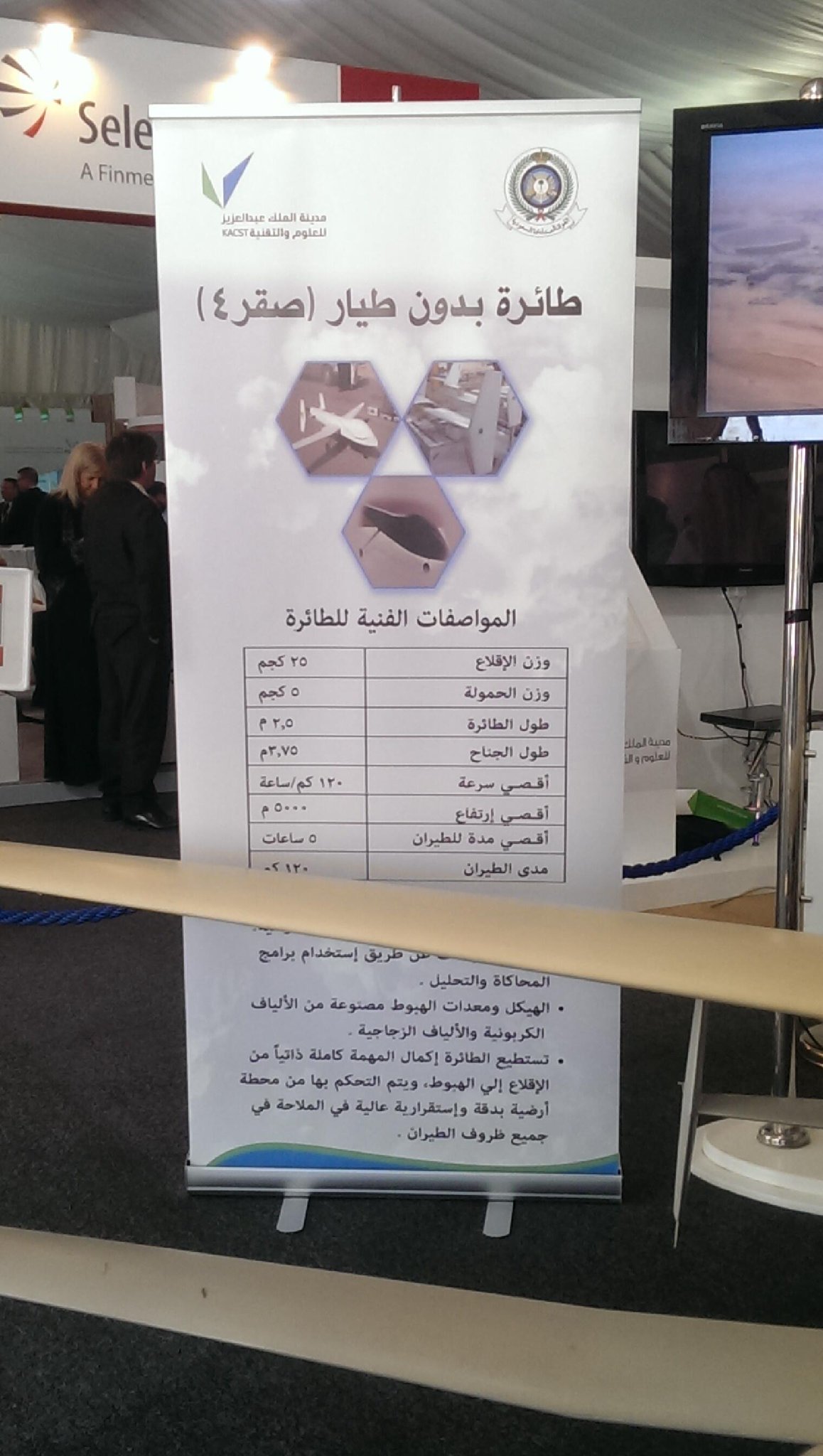
Saudi Arabia and the United Arab Emirates (UAE) may finally end this streak of Arab failures. Over the past decade, the two countries have quietly developed their military-industrial capacities. Today, they are capable of manufacturing and modernizing military vehicles, communication systems, aerial drones, and more. Further, they have significantly improved their ability to maintain, repair, and retrofit aircraft. And with U.S. assistance, they have trained their militaries to operate some of the most sophisticated weapons systems in the world, including Hawk surface-to-air missiles.
To be sure, Saudi Arabia and the UAE are nowhere near self-sufficiency. (Even the most advanced U.S. allies remain heavily dependent on the United States for its military technology and know-how.) Indeed, their defense-industrial efforts are hardly complete, and retain some glaring weaknesses. But both countries have taken advantage of strategic partnerships with the top transatlantic defense companies in order to learn from the best. Riyadh and Abu Dhabi have primarily done so through so-called offset agreements, which compel foreign suppliers to invest in local industrial projects so that the recipient country can offset the typically huge cost of defense procurement. Such programs have allowed the two countries to connect their domestic defense sectors with global defense producers and acquire advanced defense industrial knowledge and technology. Meanwhile, the information technology revolution has made the international defense market even more accessible to smaller players, allowing Saudi Arabia and the UAE to manage, and in some instances, overcome key technological hurdles.
Riyadh and Abu Dhabi’s drive for military industrialization reflects their desire to reduce their political dependence on the United States. That is perfectly understandable. No nation wants to be totally reliant on another to protect itself and its interests. But unilateralism on the part of U.S. partners and allies can sometimes undermine U.S. security interests; take, for example, Israel’s unilateral military actions in Lebanon, Syria, and the Palestinian territories. Washington has often favored and called for regional solutions to many of the region’s security problems, and it would be relieved if Saudi Arabia and the UAE could use their own new resources to help defuse crises in the future. But if the Saudis or the Emiratis decided to act independently in the event of a new regional crisis, in the mold of the 1990**–91 Gulf War, the United States could see its regional influence diminish.
Given Saudi Arabia’s size and its own leading role in the Gulf, its current disappointment with U.S. policy in the Middle East deserves closer scrutiny. Should relations between Riyadh and Washington fail to improve, bold unilateral moves by the kingdom, bolstered by more developed national defense and security capabilities, could challenge the U.S. regional force structure and threaten Washington’s other relationships in the Gulf. The UAE is a different story: Abu Dhabi’s armed forces are more technically proficient and combat-ready than the Saudi military, but its leaders are less interested in acting outside of U.S.-led coalitions.
But Saudi Arabia and the UAE have also invested in military industrialization to modernize their societies and diversify their economies. And ultimately, the pace, scope, and effectiveness of Saudi and Emirati military efforts will continue to depend on broader societal changes. Both countries still have considerable deficits of human resources and expertise -- key barriers in the way of building a sustainable defense industry.
Moving forward, Riyadh and Abu Dhabi need to further institutionalize their defense industrial processes, formulate clearer production policies, put in place more competent government managers, and make larger investments in education, research, and technological development. It could take anywhere between five and 15 years before either country can sustainably export military products and rely on its own manpower and arms production capabilities to address national security needs. But the Saudis and Emiratis are wise not to rush. It is only a matter of time before they have more advanced defense industries -- and the independence that comes with it.















اترك تعليق: