الموسيقى التي تستخدم عادة بالعروض العسكرية ليست كغيرها من أنواع الموسيقى الأخرى من حيث رقة الصوت الداعي إلى اللهو والفحش والرذيلة، بعكس الموسيقى العسكرية المتسمة بالجد والخشونة والرهبة، وإن كانت الموسيقى بأنواعها كلها داخلة في معنى المعازف والمزامير التي جاءت النصوص الشرعية بالنهي عنها، غير أن الموسيقى العسكرية تختلف عن غيرها من حيث الهدف والقصد والتأثير على السامعين
انا اشهد تبعث الرهبة
من اللي سمع نشيد الاتحاد السوفييتي او العراق ايام صدام
When one of the most powerful militaries in the Middle East holds the largest military exercise in its history, the region and allies would be wise to look beyond the explosions and manoeuvres at the political intent. Related
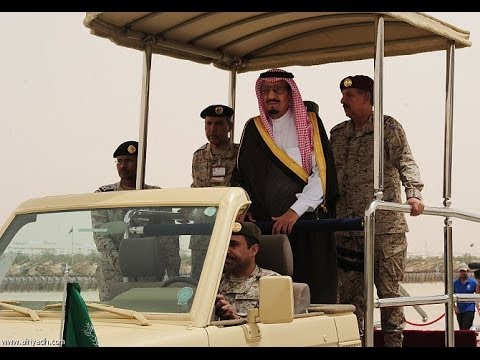
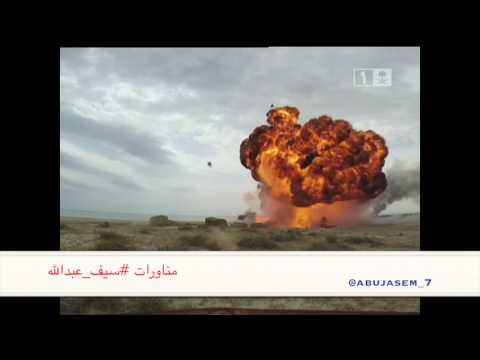
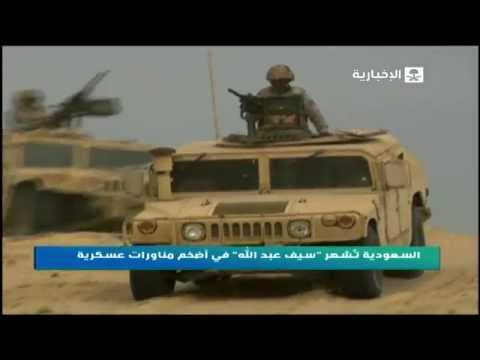
Last week’s “Abdullah Sword” military exercises in the north-east of Saudi Arabia brought together 130,000 troops, as well as military jets, helicopters and ships. With the notable exception of Qatar, all the GCC countries were there to observe the exercises, as well as the head of Pakistan’s army.
On the surface, the exercises were timed to coincide with the ninth anniversary of the accession of King Abdullah of Saudi Arabia. But military movements of this order send messages. But to whom?
The obvious answer is Iran, Saudi’s great regional rival, or one of the three states that the Saudis are most concerned about – Syria, Iraq or Yemen. And it will not have escaped Tehran’s notice that the CSS-2 ballistic missiles that Riyadh paraded for the first time last week can easily reach any part of Iran.
Certainly, a message of strength was being telegraphed to the region. But there was also another one, over the heads of the region, to the United States: if you leave, the region can defend itself.
It sometimes appears to be an overstatement to suggest that the United States – which maintains bases in several regional countries – is planning to leave. But leaving does not necessarily entail a complete withdrawal.
Under the Obama presidency, America has departed the Gulf in two ways; the first through disengagement, with the focus of the US president rarely on the detail of the problems of the region.
And secondly through insufficient attention to the relationships that have long formed the diplomatic backbone of the region. By seeking a peace deal with Iran – Saudi Arabian critics would say at any price – the US has angered its traditional allies in the Gulf, who have invested time and effort in the alliance.
In some respects, the disengagement has been a long time coming, but Mr Obama’s policy and personality have accelerated it.
The curse of being a superpower is that policies ripple far beyond the initial problem. When Obama backed down from enforcing his “red lines” over Syria, both allies and enemies took note.
If that was a one-off, the explanation that Syria was complex – and Iraq too recent – for the US to be effective could stand.
But there have been other developments elsewhere in the world, which, taken together, make the Gulf states wonder if the United States can still be counted on to react to any military provocation – and therefore, by extension, whether the US deterrent still exists.
In November, China established an air defence identification zone over parts of the East China Sea. In particular, the zone covered the Japanese-controlled Senkaku islands, which China also claims. Japan was incensed and, in response, the US sent two military planes through the zone. But the zone has remained in place and the US has gone quiet over it.
Couple that with events in Ukraine, where, despite being a signatory to a post-Soviet treaty that guaranteed Ukraine’s territorial integrity in return for the state giving up its nuclear weapons, the US did not act forcefully to stop Russia annexing Crimea.
In each case, there have been different motivations and political considerations. But taken together, these events, and others, have contributed to an atmosphere of suspicion that, if push came to shove, the US would walk away.
Under Mr Obama, the superpower does not appear to have much interest in defending the status quo. The post-Soviet settlement immensely benefits the US, but George W Bush undid much of that by fighting an illegal war in Iraq. Other states became less likely to heed international law.
Yet Mr Obama’s reticence has undermined the global order just as surely as Mr Bush’s unnecessary war in Iraq did. Not to the same extent, but, gradually, piece by piece, it is being undermined.
That is what Abdullah Sword was about, establishing a credible alternative deterrent. In time, the signals are that Saudi Arabia and the Gulf seeks something even larger, an alliance stretching from Egypt to Pakistan. The recent Saudi, UAE and Egyptian military exercises fit into this trajectory.
With both Iraq and Yemen fragile and bordering Saudi, the kingdom is nervous of what might be next. Similarly with Syria, where, with a second refugee camp being built in Jordan and with the Assad regime looking like exerting control again, that would leave hundreds of thousands of refugees permanently in Jordan, which is already vulnerable. That too represents a big risk for the kingdom.
Taken together, Saudi Arabia wants to establish itself publicly as capable of withstanding any threat. The Arab Spring has pushed Saudi from its traditional comfort zone of operating behind the scenes into more of a leadership role for the region. By staging such a forceful display with Abdullah Sword, the kingdom is showing the region that it has the allies and the weapons to defend itself. Gradually, the Gulf is preparing for the day America’s warships sail away.
ماش حتى هذي ما تضبط سبق وشيكت عليها من قبل
مقاطع نايمه لا تصوير احترافي لا GoPro لا صفاوه ولا نقاوه
ثم اني ابحث عن فيديوات خام خاليه من شعارات القنوات السعودية
حتى اقوم انا بأخراجها ومنتجتها جيداً وترتيبها
سأعطيك مثال بسيط
اريد لقطات جيده مثل الآتي
بسيطه وجميله ونقيه وتعكس طابع ممتاز للمشاهد
والله يا ابومحمد شوفة عينك
مافي صور صافيه ونقيه للمناورة الا 10 صور جيده نوعاً ما وكلها
صور للمظليين ولصناعة فيديو محترم فـ 10 صور لا تكفي ابداً
ولو فكرنا بأضافة الصور الملتقطة من الاستعراض او بقية الصور التي
صورها اعلامنا في الفيديو
فباعتقادي بأن صورة الجيش السعودي ستكون مشوهه امام الجميع وهذا الذي
احاول ان اتفاداه بينما غيري يقع في هذه المصيبه
اما الفديوهات فلم اجد فيديو صافي حتى هذه الساعة للمناورة
فالصفاوه والنقاوه شئ اساسي لنجاح أي فيديو عسكري في اليوتيوب
ثم الموسيقى الجيده المتناغمه مع الفيديو وايضاً معايير اخرى مهمه
يمكنك ملاحظتها في قناتي
في مجموعةمن الشباب قالو رح نسوي مقاطع خررافية بس خلها تجي صور ومقاطع وطلعت الصور والمقاطع واختفو هم ...
والله يا ابومحمد شوفة عينك
مافي صور صافيه ونقيه للمناورة الا 10 صور جيده نوعاً ما وكلها
صور للمظليين ولصناعة فيديو محترم فـ 10 صور لا تكفي ابداً
ولو فكرنا بأضافة الصور الملتقطة من الاستعراض او بقية الصور التي
صورها اعلامنا في الفيديو
فباعتقادي بأن صورة الجيش السعودي ستكون مشوهه امام الجميع وهذا الذي
احاول ان اتفاداه بينما غيري يقع في هذه المصيبه
اما الفديوهات فلم اجد فيديو صافي حتى هذه الساعة للمناورة
فالصفاوه والنقاوه شئ اساسي لنجاح أي فيديو عسكري في اليوتيوب
ثم الموسيقى الجيده المتناغمه مع الفيديو وايضاً معايير اخرى مهمه
يمكنك ملاحظتها في قناتي
المثير حقيقةً ومنذ أيام يشغل تفكيري هو أنه ومنذ أن أعلن عن المناورات تم ذكر أنها ستكون بمشاركات رمزية من القطاعات العسكرية المشاركة،،، ثم تغيرت النبرة بأنها ستكون الأضخم في تاريخ المناورات السعودية…
نحن نعرف بأنه ليس كل أفراد وزارة الدفاع شاركوا،،،
فإذا كان 130 ألف جندي وضابط سعودي مشاركة رمزية، أو لنقول أن وزارة الدفاع شاركت ب 60-70% من إجمالي القوى البشرية (كحد أقصى) حيث أن البقية سيقومون بالمهام الكلفين بها بعيداً عن المناورة....
كم يبلغ (تقريبا) عدد أفراد الجيش السعودي؟؟ أو تعداد القوى البشرية في وزارة الدفاع السعودية؟؟
قد أكون شبه متأكد من أن الإجابة صعبة، ولكن آمل بأن تكون تقريبية فقط.
اكثر مما تتصور بحكم عملي الذي يتطلب مني التعامل مع جميع القطاعات المدنية و العسكرية...حيث تبين لي ان اكثر من 80% منهم عسكر في جميع القطاعات العسكرية..





اترك تعليق: